
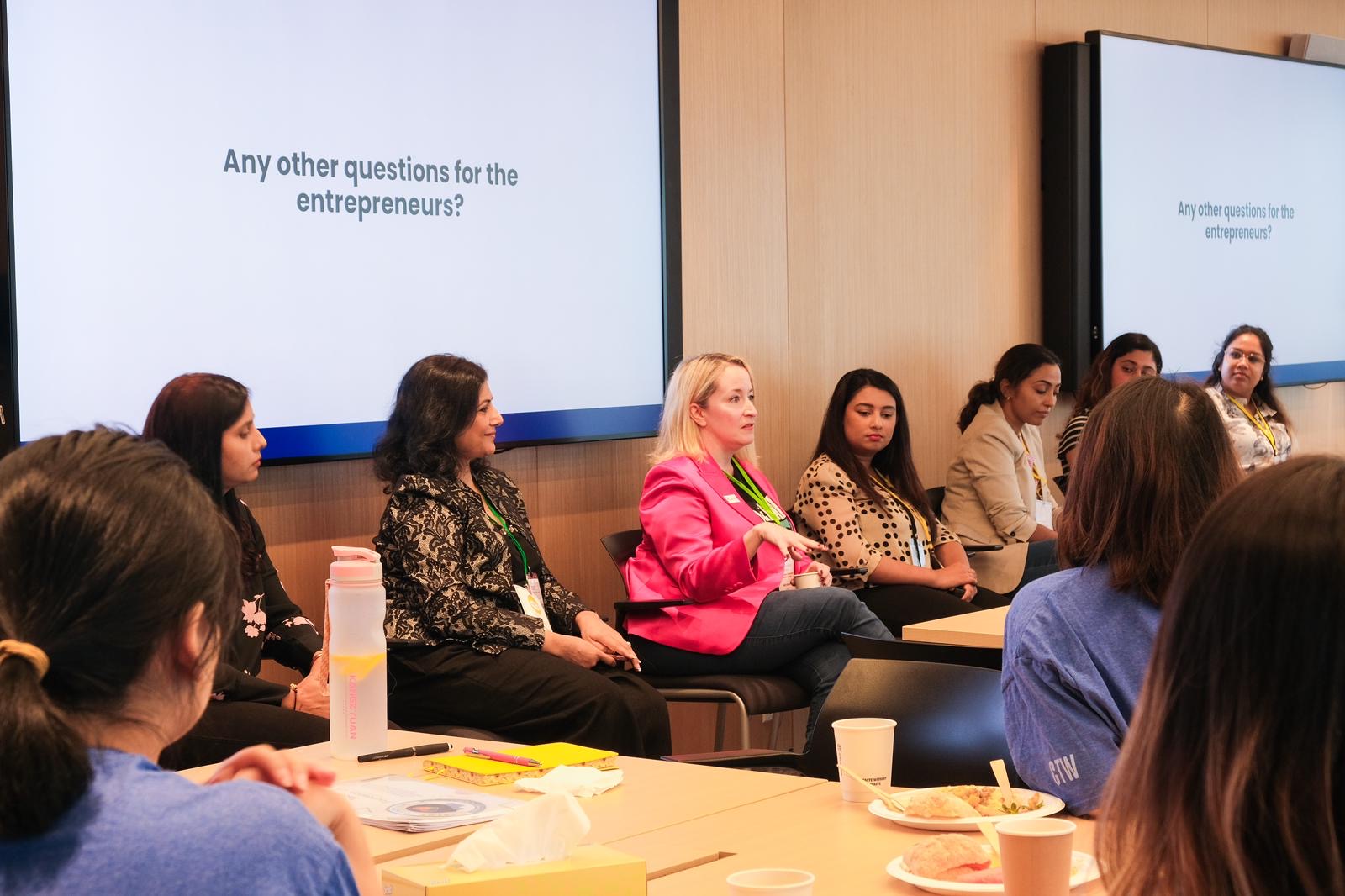
Reasonable accommodation in Hong Kong isn’t a nice-to-have. Under the Disability Discrimination Ordinance (DDO), you can’t refuse to hire, promote or keep an employee with a disability because they need adjustments to do the job, unless those adjustments would cause “unjustifiable hardship.” If it ends up in a dispute, the employer has to prove the hardship. Not the employee.
Most workplace policies are written as if it’s the other way round.
This guide covers what the law expects, what the research says works for neurodivergent employees, and how to handle a request when one lands on your desk.

What reasonable accommodation means under Hong Kong law
Reasonable accommodation is an adjustment that removes an unnecessary barrier to doing the job. A quieter desk. A written agenda instead of a corridor briefing. Working from home two days a week.
The DDO defines disability broadly. It includes conditions that affect how a person learns, thinks and perceives. Many neurodivergent employees, including autistic people and people with ADHD or dyslexia, fall within it. The Equal Opportunities Commission’s Code of Practice on Employment sets out how employers should approach adjustments.
“Unjustifiable hardship” is a high bar. It weighs the reasonableness of the adjustment, the benefit and cost to everyone involved, the effect of the disability, and the employer’s financial resources. Most of the adjustments below come nowhere near it.
Four accommodations that work for neurodivergent employees
A 2024 review by Weber et al. pulled together the research on physical workplace adjustments for neurodivergent employees. The findings fall into four areas. Most cost very little.
1. Turn the sensory volume down
Open-plan offices are loud, bright and busy. Many neurodivergent employees feel that more sharply than their colleagues. A desk away from the main walkway, noise-cancelling headphones, dimmable lighting, less clutter on shared surfaces: small changes, real effect.
When sensory input drops, employees report fewer headaches and fewer overwhelm episodes, and concentration and performance go up (Pfeiffer et al., 2017; Pierce, 2018). A sensory-friendly office is usually the easiest place to start.
2. Ease off the forced socializing
Not every role needs constant small talk. For employees who find social interaction draining (common for autistic people, though not only them), less of it means more energy for the work. That can mean a quieter corner instead of a shared bench, or not reading a closed door as a bad sign.
The pattern holds here too: less social demand, better concentration, better performance (Pierce, 2018; Pfeiffer et al., 2017).
3. Give people control over their space
A desk someone can adjust. A small area they can set up the way that works for them. Employees with more control over their workspace focus better (Morris et al., 2015) and report higher job satisfaction (Pfeiffer et al., 2017).
4. Everything else that helps
Flexible or hybrid hours. A treadmill desk for someone who thinks better on the move. A bigger desk. None of it is exotic. Adjustments like these reduce stress and anxiety (Morris et al., 2015), and employees become more attentive and organised as a result (Schreuer & Dorot, 2017).
What the research says about results
Together, these four areas make workplaces more inclusive and more accessible (Hayward et al., 2019). The result is concrete: neurodivergent employees stay in their jobs longer (Black et al., 2019). That means fewer rehires and less knowledge walking out the door.
How to handle a reasonable accommodation request
A request doesn’t need a committee. It needs a clear process.
- Talk to the employee first. They usually know what’s getting in the way and what would help. Ask.
- Focus on the job, not the label. The conversation is about barriers and adjustments. You don’t need a diagnosis to move a desk.
- Try it, then review it. Agree an adjustment and set a date to check how it’s going. Tweak from there.
- Write it down. Record what was asked, what you agreed and why. If you can’t agree to something, record the reason and what you offered instead.
- Keep it confidential. Tell colleagues only what they need to know to make the adjustment work.
Build an inclusive workplace in Hong Kong: start with one question
Ask your HR team: if an employee asked for an adjustment tomorrow, what would happen?
Whatever the honest answer is, that’s your real accommodation policy. Not the one in the handbook.
If the answer is “we’re not sure,” you’re in good company. It’s fixable.
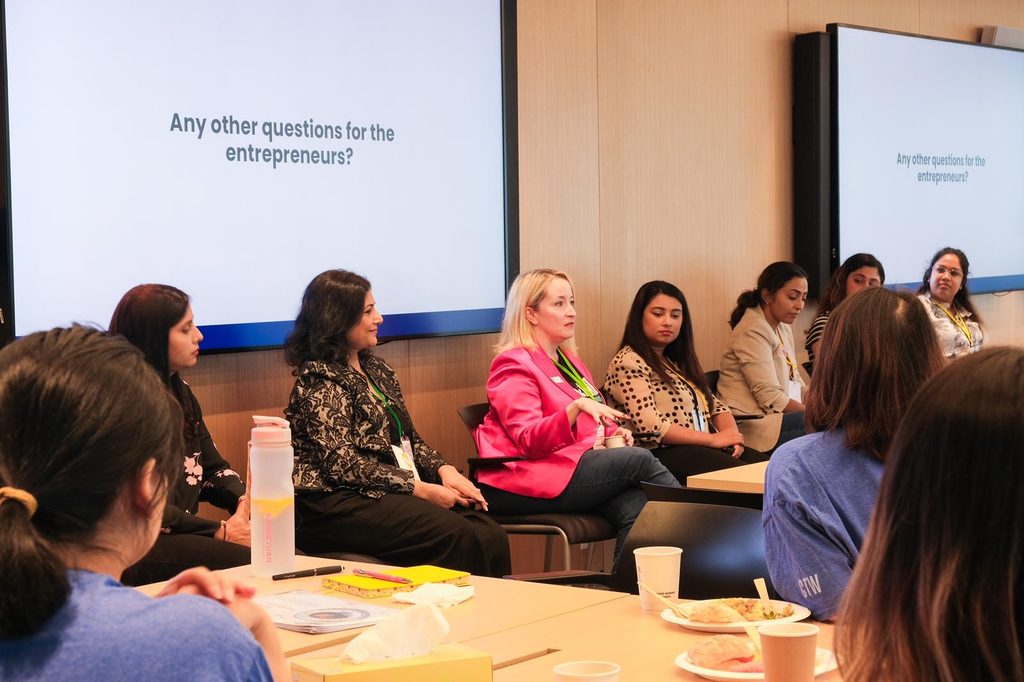
Our Neurodiversity 101 workshop gives HR teams and managers a working understanding of what neurodivergent employees need, so the next request doesn’t start from zero. We’ve trained more than 3,000 people across Hong Kong so far.
Ready to get your team there? Book a Neurodiversity 101 workshop in Hong Kong, or get in touch to talk through reasonable accommodation in your workplace.
Sources: Weber et al. (2024) review; Pfeiffer et al. (2017); Pierce (2018); Morris et al. (2015); Schreuer & Dorot (2017); Hayward et al. (2019); Black et al. (2019). Full citations in the original research brief (Chan Yan Lam / Jocelyn) — add a references section if the site’s editorial style requires it.