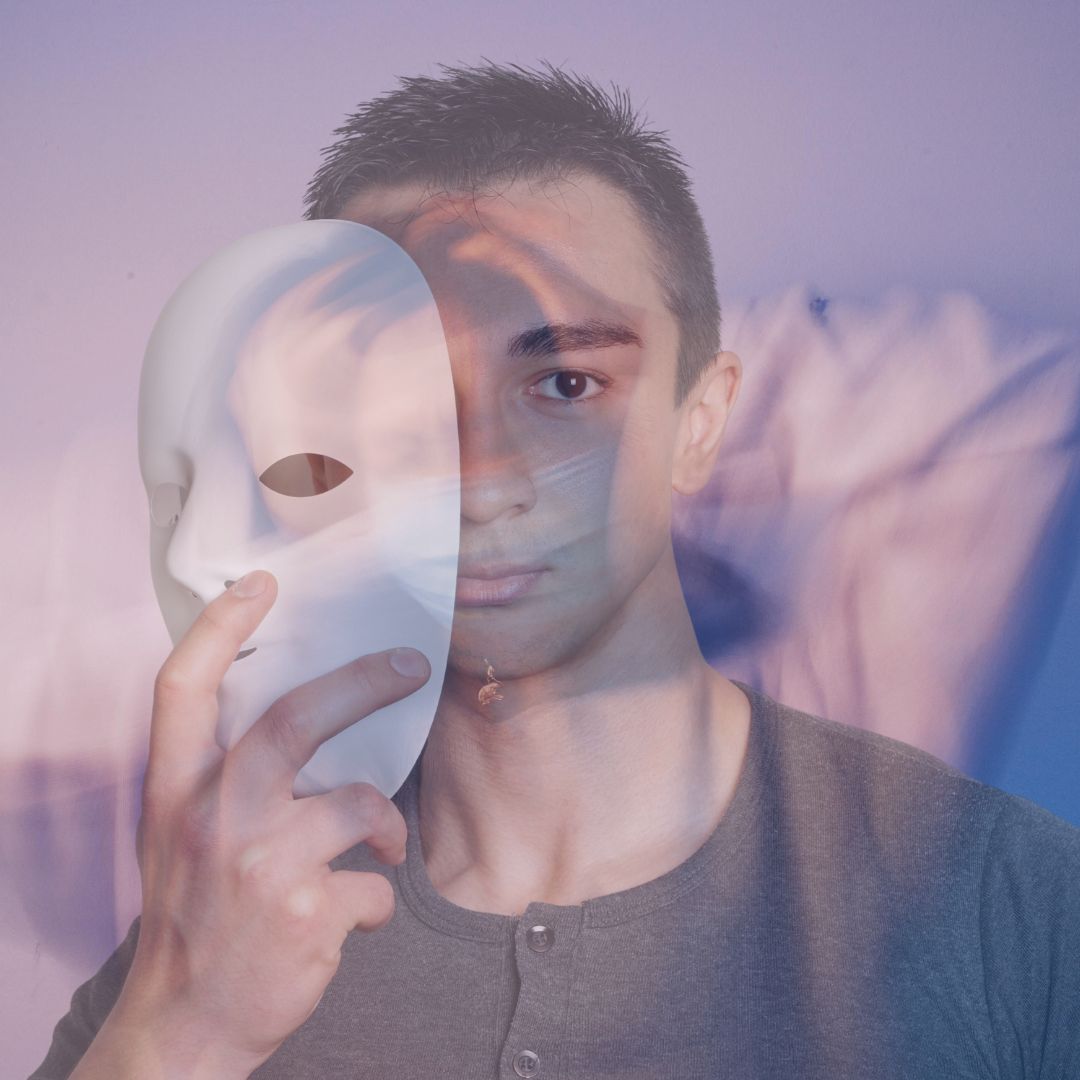
Autistic masking in the workplace is more common than most employers realise. It means hiding neurodivergent traits to get through the workday — and according to research, it’s costing autistic employees their health.
A 2023 qualitative study by Pryke-Hobbes et al. asked autistic employees directly about their experience of masking at work. Their answers point to a clear problem, and a clear fix.
Most workplace conversations about neurodiversity happen around autistic employees, not with them. This study is one of the few that asks directly — and the answers are worth Hong Kong employers’ attention, whether you’re an HR lead, a line manager, or running the place.
What Is Masking?
Masking is hiding neurodivergent traits so they’re less visible to others. Forcing eye contact that doesn’t feel natural. Rehearsing facial expressions. Suppressing a response to overwhelming light or noise. It’s effort that happens quietly, all day, on top of the actual job.
Why Autistic Masking in the Workplace Happens

To protect their career
Many autistic employees mask to appear “professional” — concealing anxiety, for instance, so it doesn’t read as weakness. One interviewee put it plainly: “Things like projects and promotions often rest on emotional considerations like popularity or ‘seeming normal’, even in companies who claim that they do not.” So people suppress their needs to stay in the running. The cost lands on their mental health, not their output.
To fit in with colleagues
Others mask to feel part of the team. “I wanted to be part of the team,” said one employee. Another just wanted “to feel accepted.” For some, it’s more than a wish to belong — it’s self-protection. “The advantage of masking is that people do not take an instant dislike to you,” one person said. In the worst cases, the alternative is bullying: “The unwritten rules of social interaction and Neurotypical etiquette in the workplace are rigid and expected. If you deviate, you’ll be… bullied.”
The Real Cost
Masking isn’t free. Employees in the study described physical symptoms — one, a dizzy head and “a high-pitched ringing sound” from overwhelming lights and sounds they’d been suppressing. Others described exhaustion that ate into their actual work performance. Many linked the constant pressure to mask with anxiety, depression, and — in some cases — difficulty maintaining attendance or leaving the job altogether.
An inclusive workplace shouldn’t cost someone their health to get through Tuesday.
Signs a Colleague Might Be Masking
Masking is designed to be invisible, so it’s easy to miss. A few things worth noticing: someone who seems fine in meetings but exhausted straight after, who eats lunch alone to recover rather than by choice, who never asks for a quieter desk or dimmer lighting even when the office is loud and bright, or who over-prepares small talk like it’s a presentation. None of these confirm masking on their own. But together, they’re worth a conversation.
Why This Keeps Happening: A Lack of Understanding
Ask autistic employees why they mask, and understanding — or the lack of it — comes up again and again. Many said they mask to avoid “embarrassing conversations,” or having to explain their needs from scratch to a manager who’s never heard of them before. One employee summed it up: “Despite working for an organisation that supports autistic people, I do not feel confident that they would understand.”
Acknowledging neurodiversity isn’t the same as understanding it. The first is a statement. The second means listening to autistic employees and adjusting accordingly.
What Hong Kong Employers Can Do
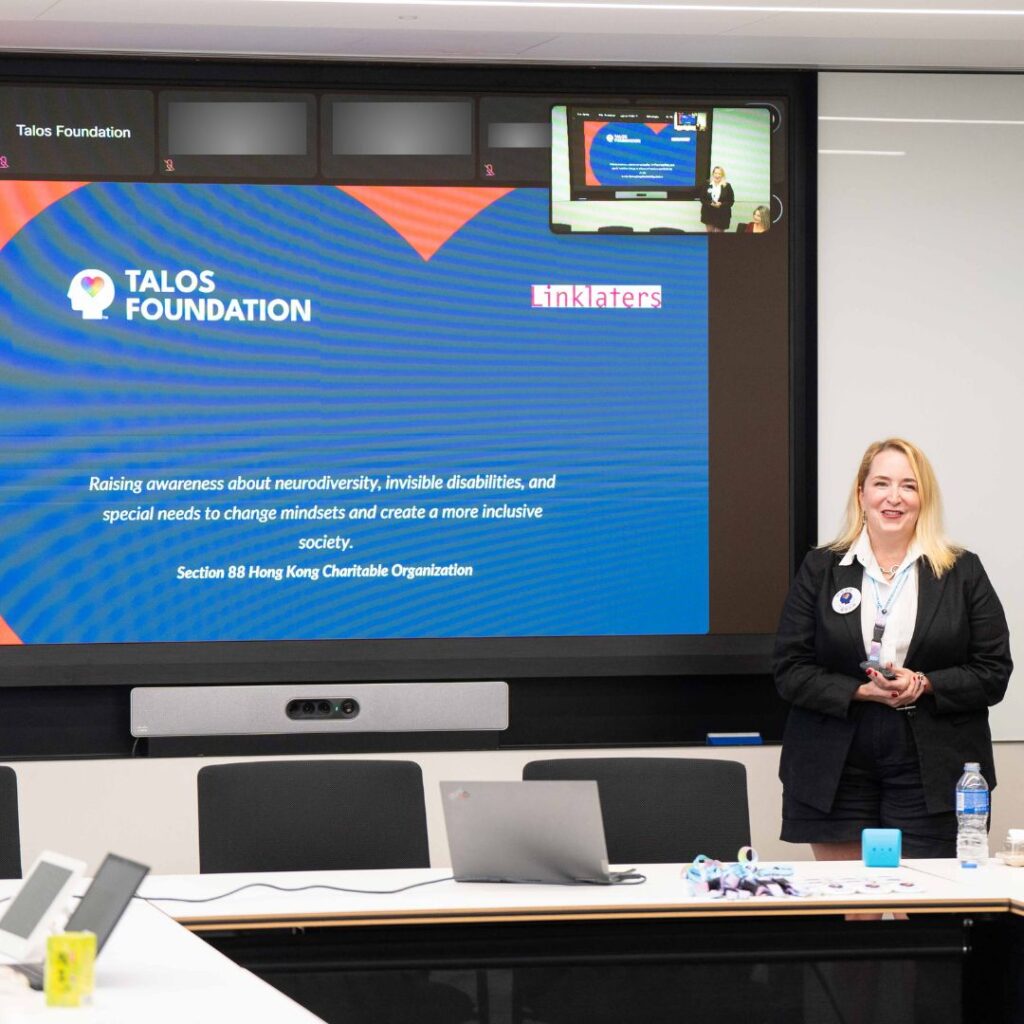
This is exactly the gap our Neurodiversity 101 workshop is built to close. It gives teams — from HR to line managers — a working understanding of autism and other forms of neurodivergence, so employees don’t have to start every conversation from zero. Less explaining. Less masking. More people staying in jobs they’re good at.
It doesn’t need to be complicated either. Small, practical changes go a long way: asking rather than assuming, offering flexibility on lighting or noise, and giving people a way to raise a need without it becoming a whole conversation. None of that requires an autism diagnosis on file. It just requires a workplace that’s paying attention.
If you’re building a genuinely inclusive workplace in Hong Kong, understanding is where it starts. Book a Neurodiversity 101 session for your team, or get in touch to talk through what your organization needs.
Research and sourcing by Jocelyn Chan (Talos Foundation Volunteer).
Study referenced: Pryke-Hobbes et al. (2023).