Across the world, conversations about diversity and inclusion are becoming more common. Organizations are examining how workplaces can be more equitable, schools are exploring new teaching approaches, and communities are becoming more aware of the importance of accessibility.
Yet one area of inclusion still remains widely misunderstood: neurodiversity.
Neurodiversity refers to the natural variation in how human brains think, learn, and process information. Conditions such as autism, ADHD, dyslexia, and other learning differences are part of this spectrum of neurological diversity. Many of these differences are not immediately visible, which is why they are often referred to as invisible disabilities.
Because these conditions are not always visible, neurodivergent individuals often move through environments that were not originally designed with their needs in mind.
This is why neurodiversity awareness matters — not only for individuals and families, but for schools, workplaces, and communities as a whole.
When communities understand neurodiversity, they are better equipped to create environments where more people can participate, contribute, and thrive.
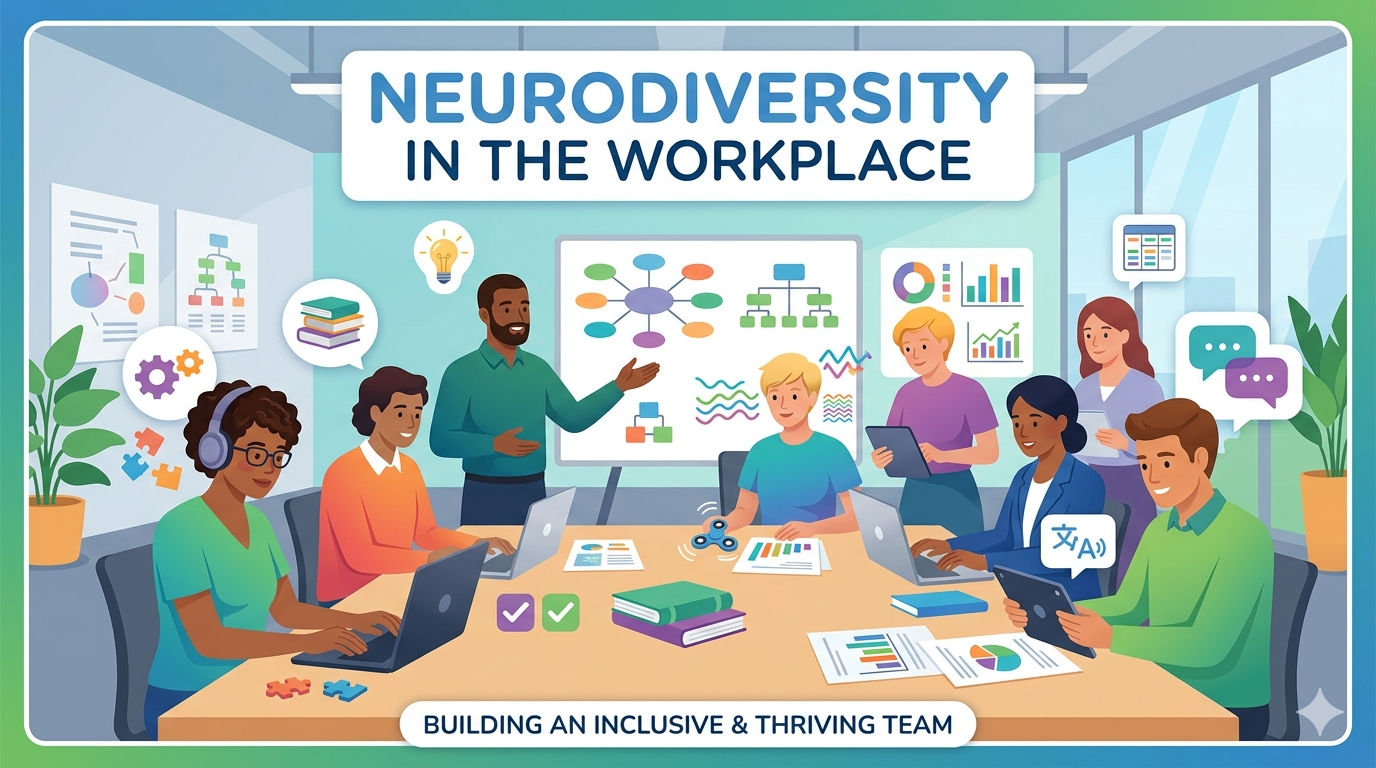
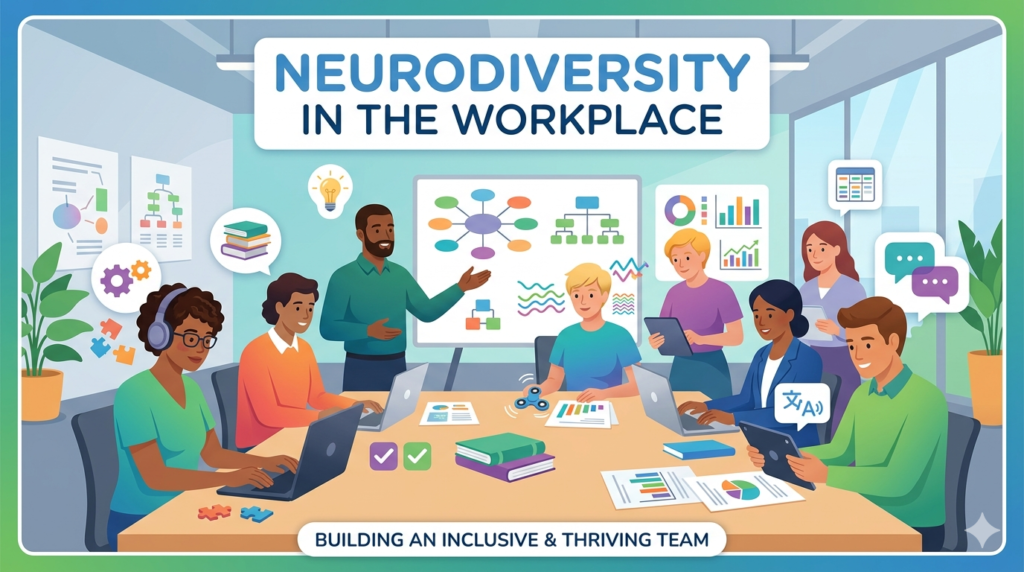
Neurodiversity in the Workplace
The conversation around diversity in business has expanded significantly in recent years. Many organizations recognize the importance of representation across gender, culture, and background.
However, neurodiversity in the workplace is still an emerging topic.
Neurodivergent individuals often bring valuable strengths to professional environments. Some may demonstrate exceptional attention to detail, pattern recognition, creative thinking, or deep focus on complex tasks. These abilities can be powerful assets in fields ranging from technology and research to design, law, and finance.
At the same time, traditional workplace structures can unintentionally create barriers.
Recruitment processes may favor communication styles that do not fully reflect an individual’s abilities. Open office environments may be overwhelming for individuals with sensory sensitivities. Expectations around communication or productivity may not always recognize different cognitive approaches.
This is where neurodiversity training can make a meaningful difference.
When employers learn more about neurodiversity, they are better equipped to design workplaces that recognize and support different ways of thinking. Simple adjustments — clearer communication, flexible work environments, or sensory-aware workspaces — can improve how neurodivergent employees experience their work environment.
Inclusive workplaces benefit everyone. Teams that embrace cognitive diversity often become more adaptable, innovative, and resilient.
Neurodiversity in Education
The conversation around neurodiversity often begins in schools.
Many children with learning disabilities or neurodivergent traits struggle not because they lack ability, but because traditional learning environments may not align with how they process information.
Understanding neurodiversity in education helps teachers and schools develop learning environments that support a wider range of students.
Inclusive teaching strategies — such as flexible instruction methods, visual learning tools, and sensory-aware classrooms — can help neurodivergent students engage more confidently in their education.
Supporting neurodivergent children early is important not only for academic success but also for emotional development.
When students feel understood rather than judged for learning differently, they are more likely to build confidence in their abilities. That confidence can influence how they approach higher education, employment, and social environments later in life.
Schools play an important role in shaping how future generations understand diversity in all its forms.
When Families Need Support
For many families, navigating neurodiversity involves more than understanding a diagnosis.
It often means navigating complex systems of support.
In Hong Kong, various forms of support exist for individuals with disabilities and neurodivergent conditions. These include educational resources, community programs, and financial assistance designed to help families manage the realities of care and support.
For families looking to understand the available assistance, you can also read our previous blog post, “Disability Allowance & Support in Hong Kong: A Guide for Families”, which outlines some of the key programs and resources currently available.
However, many families remain unaware of the support available to them.
Information may be spread across multiple departments and organizations, making it difficult to locate. Application procedures can be complicated. Families already balancing therapy appointments, school meetings, and daily responsibilities may struggle to find the time to navigate these systems.
This is where community awareness becomes critical.
When communities understand neurodiversity, information circulates more easily. Schools share resources with parents. Employers become more informed about accommodations. Families learn from each other about available support.
Awareness helps close the gap between resources and the individuals who need them.
The Role of Community Awareness
Building inclusive environments does not happen through policy alone.
It happens through everyday understanding.
It happens when teachers recognize different learning styles.
It happens when employers understand that productivity and communication may look different for different people.
It happens when public spaces consider sensory needs.
Most importantly, it happens when communities begin to see neurodiversity not as a problem to solve, but as part of the natural diversity of human thinking.
This shift in perspective can transform how individuals experience school, work, and public life.
And it often begins with awareness.
The Work of Talos Foundation
The Talos Foundation was established to raise awareness of neurodiversity and invisible disabilities and to help communities better understand the experiences of neurodivergent individuals.
Through educational initiatives, community partnerships, and awareness campaigns, Talos works to promote conversations about neurodiversity in schools, workplaces, and public spaces.
These conversations help create environments where individuals feel recognized and supported.
When communities understand neurodiversity, they become better equipped to respond with empathy, understanding, and practical inclusion.
A New Way to Start the Conversation
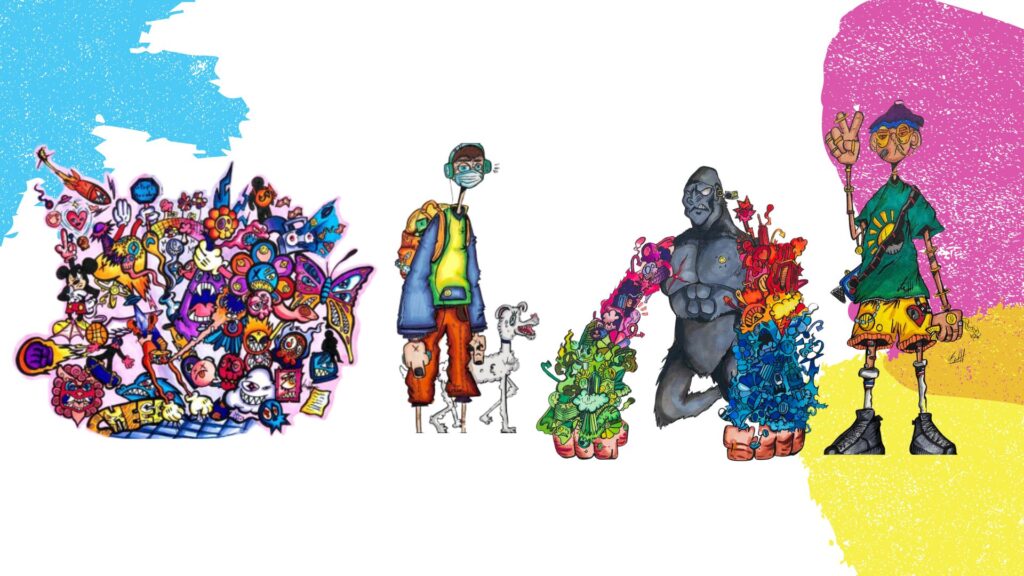
Storytelling can be a powerful way to build awareness.
Talos Foundation is currently developing an animated documentary designed to help audiences better understand neurodiversity through a personal and accessible perspective.
The project explores the everyday experiences of neurodivergent individuals and their families, presenting these perspectives through animation in a way that can reach audiences of different ages and backgrounds.
Once completed, the film will be used in schools, workplaces, and community discussions to support greater understanding of neurodiversity.
Animation allows complex experiences to be communicated in a way that is engaging, empathetic, and accessible.
Learn more about this project: Film Fundraising page
Moving Toward More Inclusive Communities
Neurodiversity is not only a topic for families, educators, or specialists.
It is part of a broader conversation about how communities function and how people support one another.
When awareness grows, barriers become easier to recognize. Opportunities expand. Environments become more inclusive.
Creating inclusive communities, schools, and workplaces begins with understanding.
And understanding often begins with a conversation.